MMX launches successfully toward Phobos, targeting sample return in 2031
JAXA confirms spacecraft separation from the H3 rocket. Arrival at Mars and sample collection remain later stages of the mission.
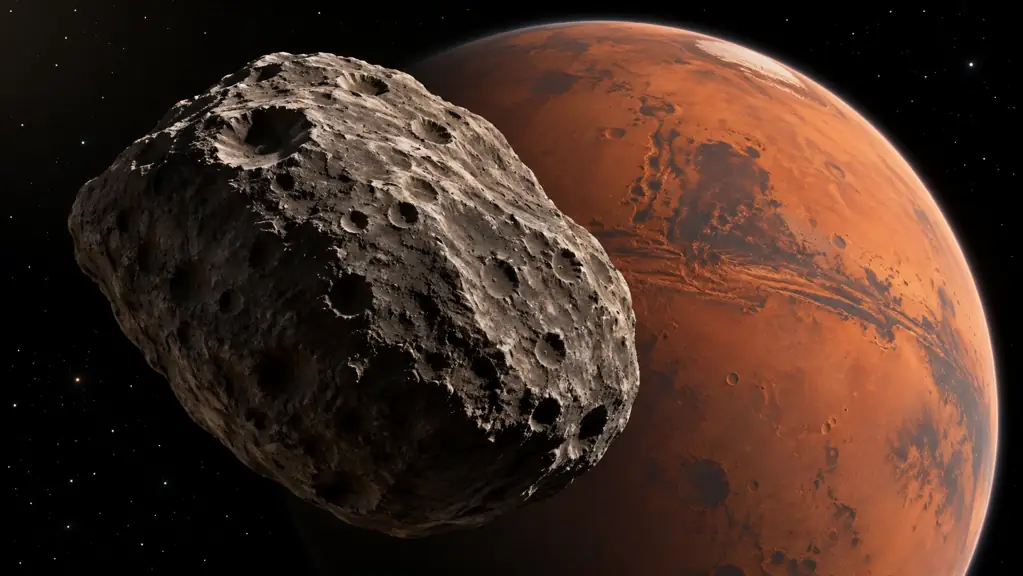
Japan's MMX mission launched successfully from Tanegashima aboard H3 Flight No.10, according to JAXA's official launch-result announcement. Liftoff occurred at 04:41:03 on 20 October 2026 in Japan — 22:41:03 on 19 October in Greece.
JAXA confirmed that the rocket followed its planned trajectory and that the spacecraft separated normally approximately 71 minutes and 13 seconds after liftoff. This is the completed stage documented by the announcement; the overall mission has not yet been completed.
Samples from Phobos, not the surface of Mars
Martian Moons eXploration primarily targets Phobos, one of Mars's two moons. The plan includes observations, landing to collect material and returning it to Earth. Study of the smaller moon, Deimos, is also planned.
The mission seeks to help scientists understand how the two moons formed: whether they originated as objects captured by Mars's gravity or as debris from a major collision. This remains a research question, not a finding established by the launch.
What comes next
The plans presented by JAXA and ESA place arrival in the Mars system in 2027 and sample return to Earth in 2031. The mission includes the Franco-German Idefix rover to study Phobos's surface.
A successful launch does not establish a landing, sample collection or sample delivery. Those remain future objectives, subject to their technical requirements and risks.
English translation of the Greek edition · Read in Greek